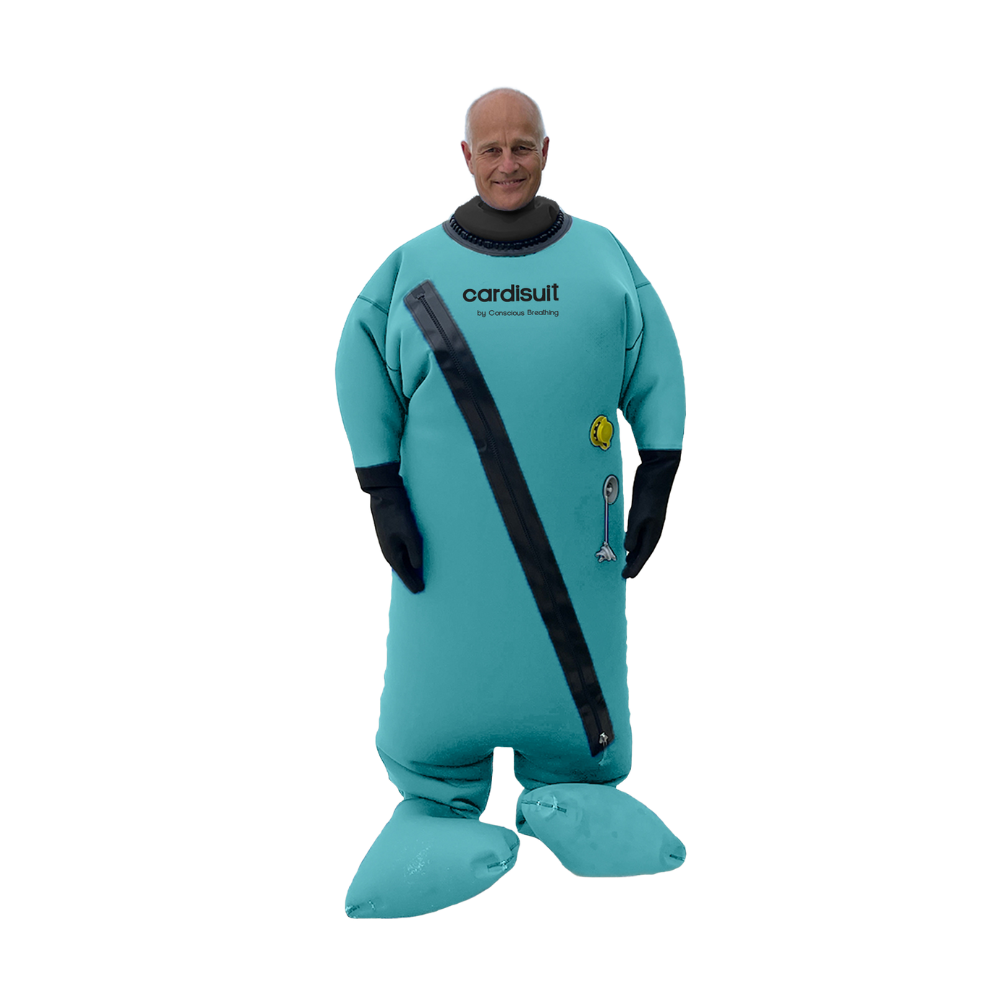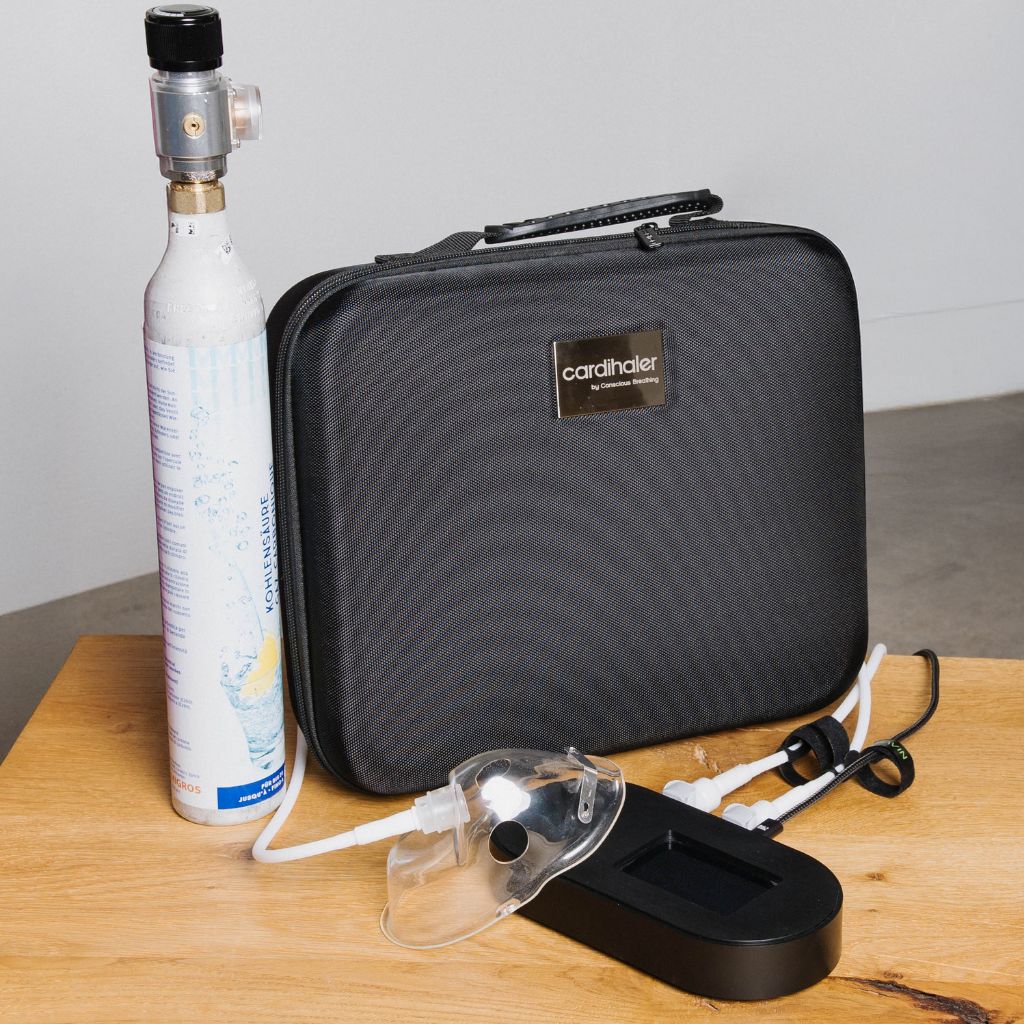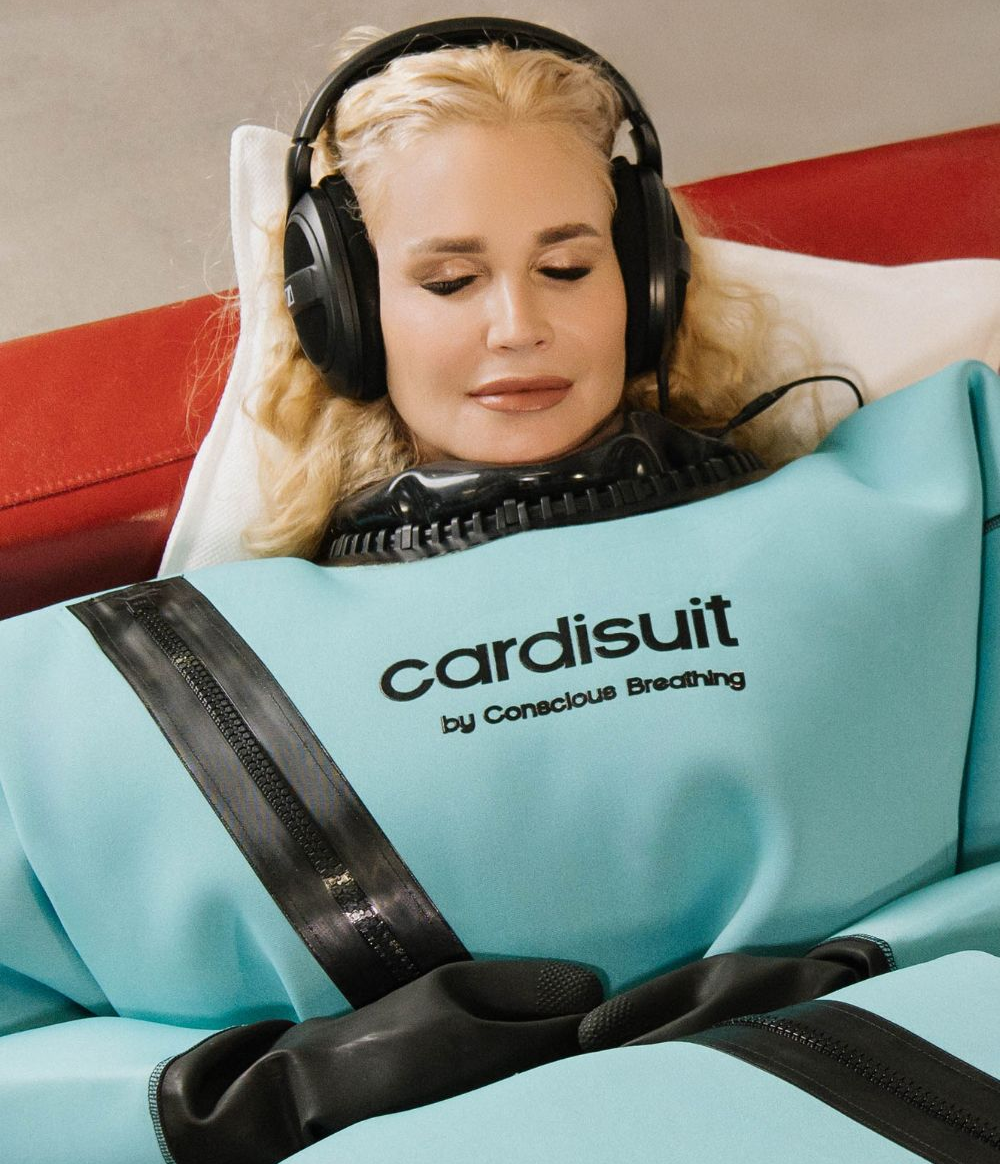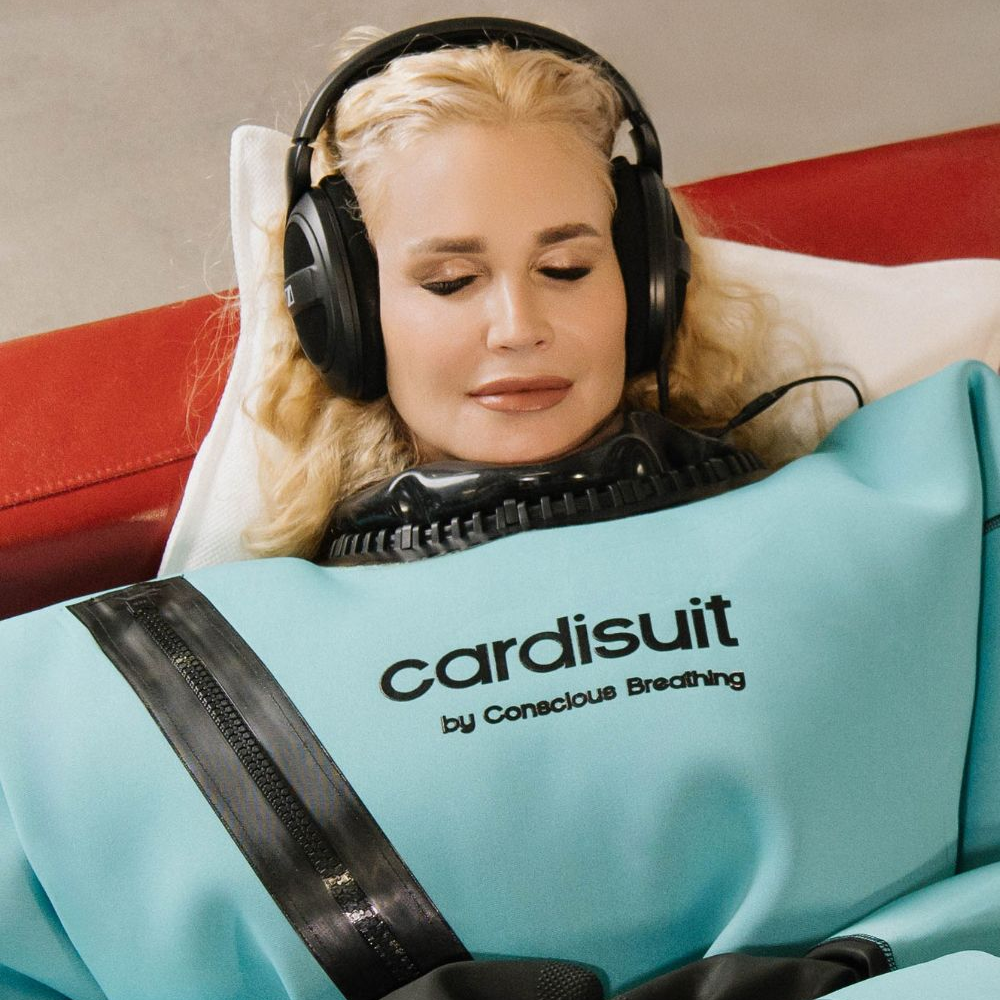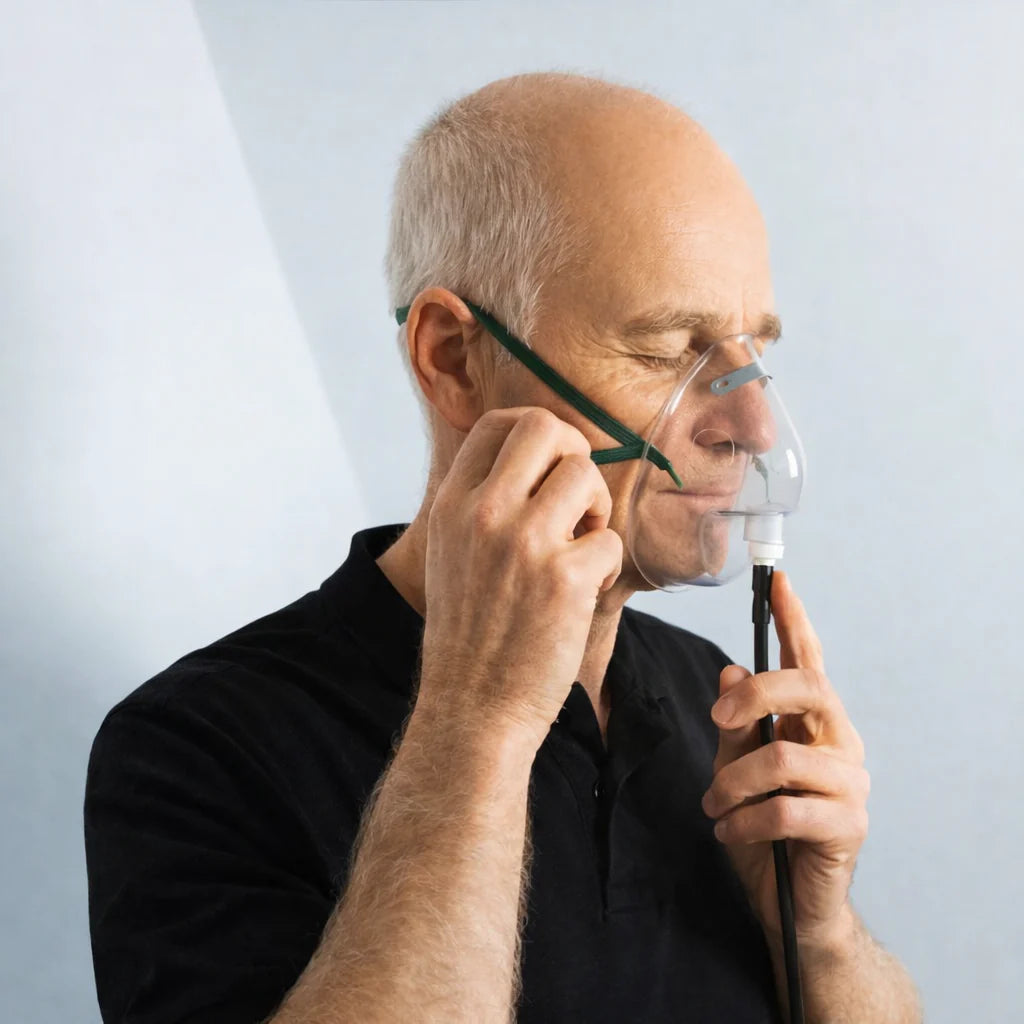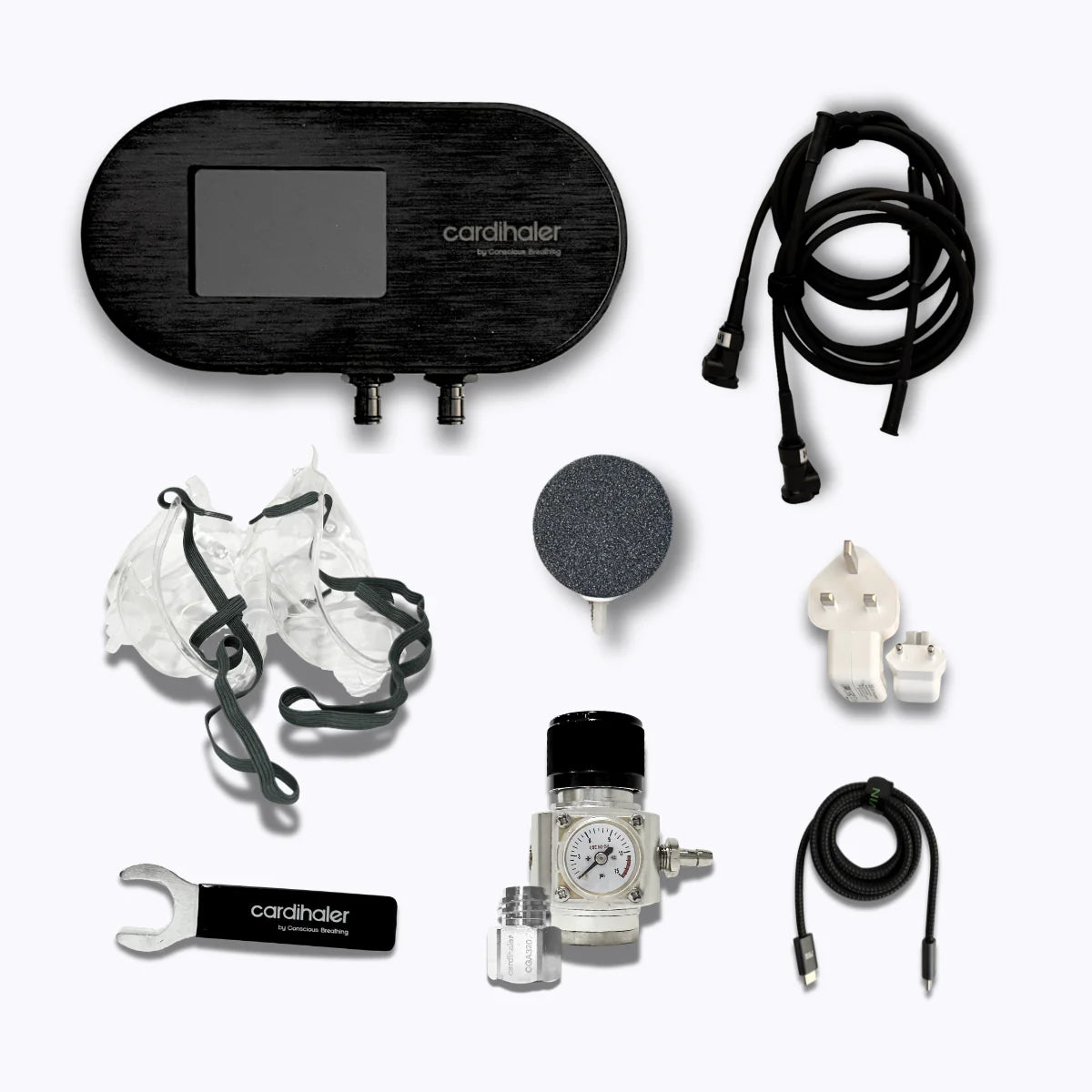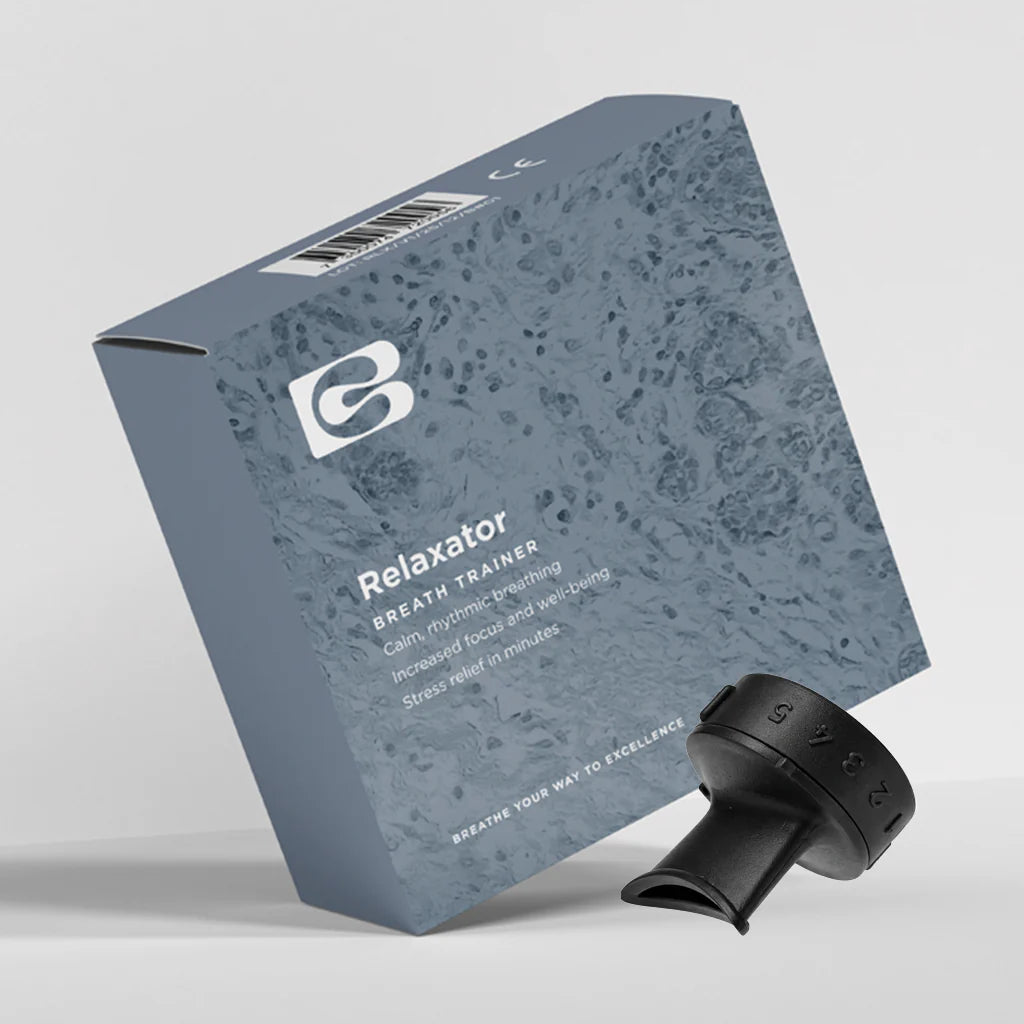

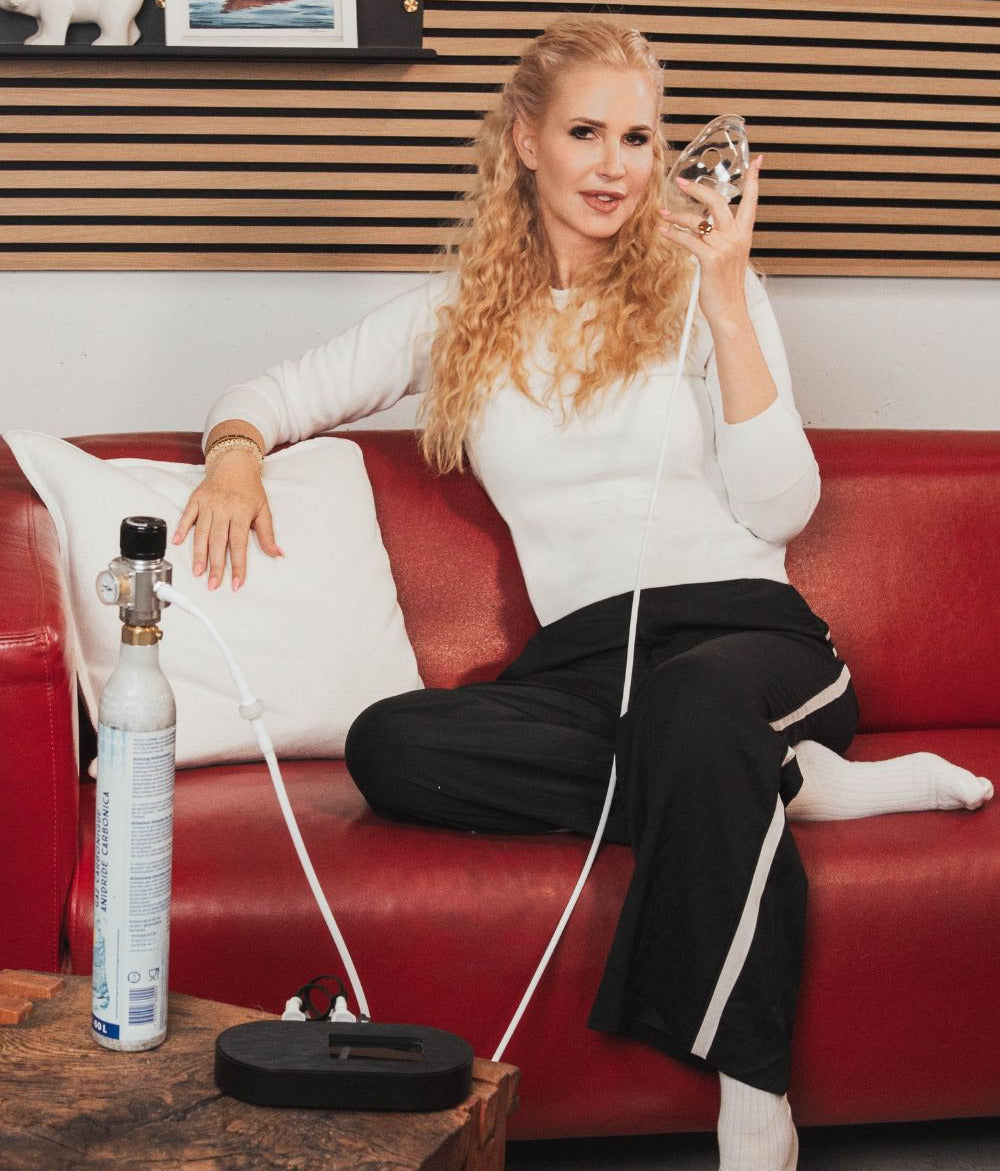
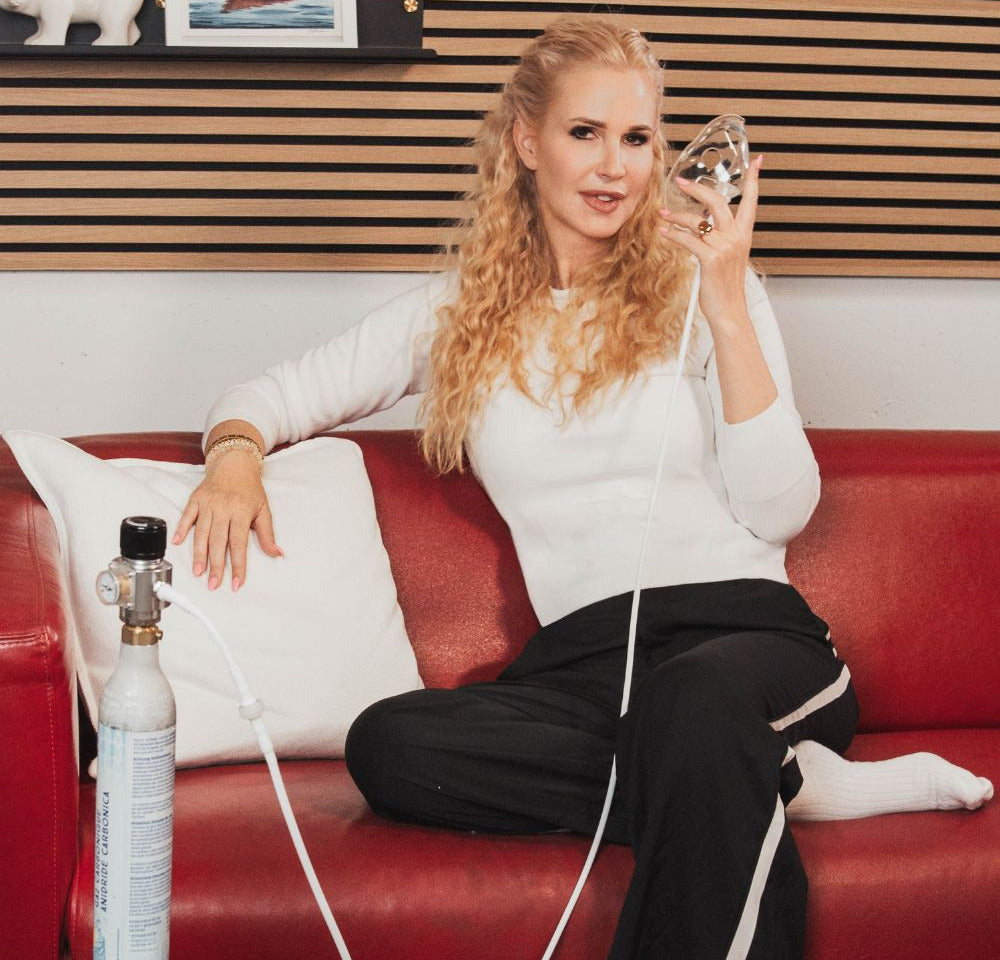
CO₂ dry bath for use in a clinic or at home. Ideal for relaxation and recovery.
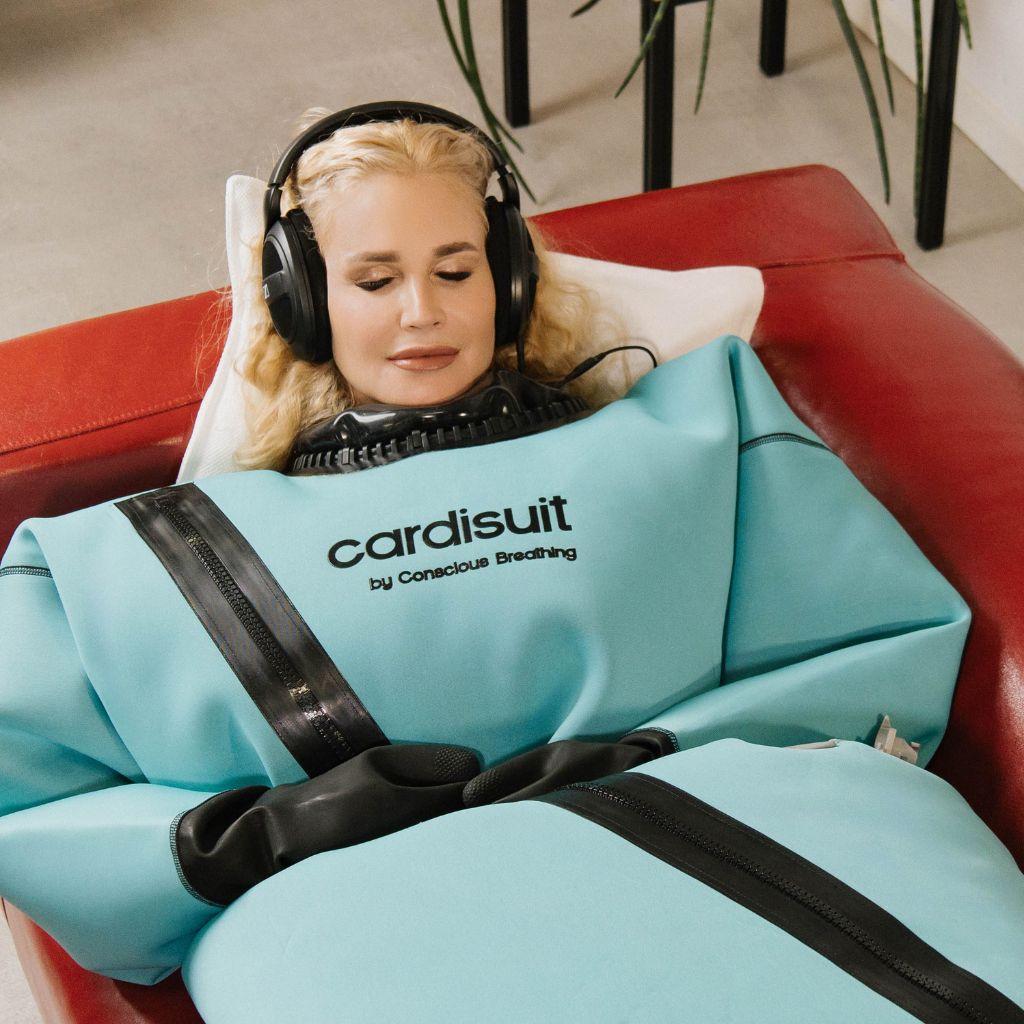

Cardisuit


With Arktis BioPharma’s tools, you can train your body’s natural ability to adapt to CO₂, support your recovery, and improve your resilience in everyday life and sports.
With Arktis BioPharma’s tools, you can train your body’s natural ability to adapt to CO₂, support your recovery, and improve your resilience in everyday life and sports.


Many people think of CO₂ as a waste gas. In reality, it’s an important regulator of your breathing and nervous system. When your body can handle CO₂ better, it responds more calmly to stress, and your breathing becomes calmer and more efficient.
CO₂ training means you’re training your natural CO₂ tolerance. This improves your ability to hold your breath, breathe more calmly, and respond more steadily to stressors overall.
What CO₂ training can improve
Scientific Basis
CO₂ training is based on well-established connections between respiratory regulation, CO₂ tolerance, and the body’s ability to adapt. Researchers have been studying for many years how CO₂ affects the respiratory center, blood vessels, and the autonomic nervous system.
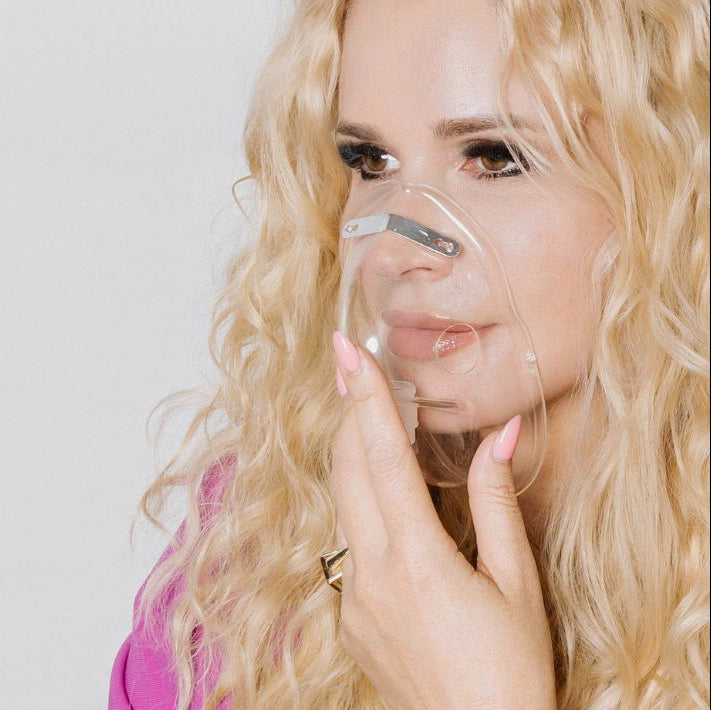
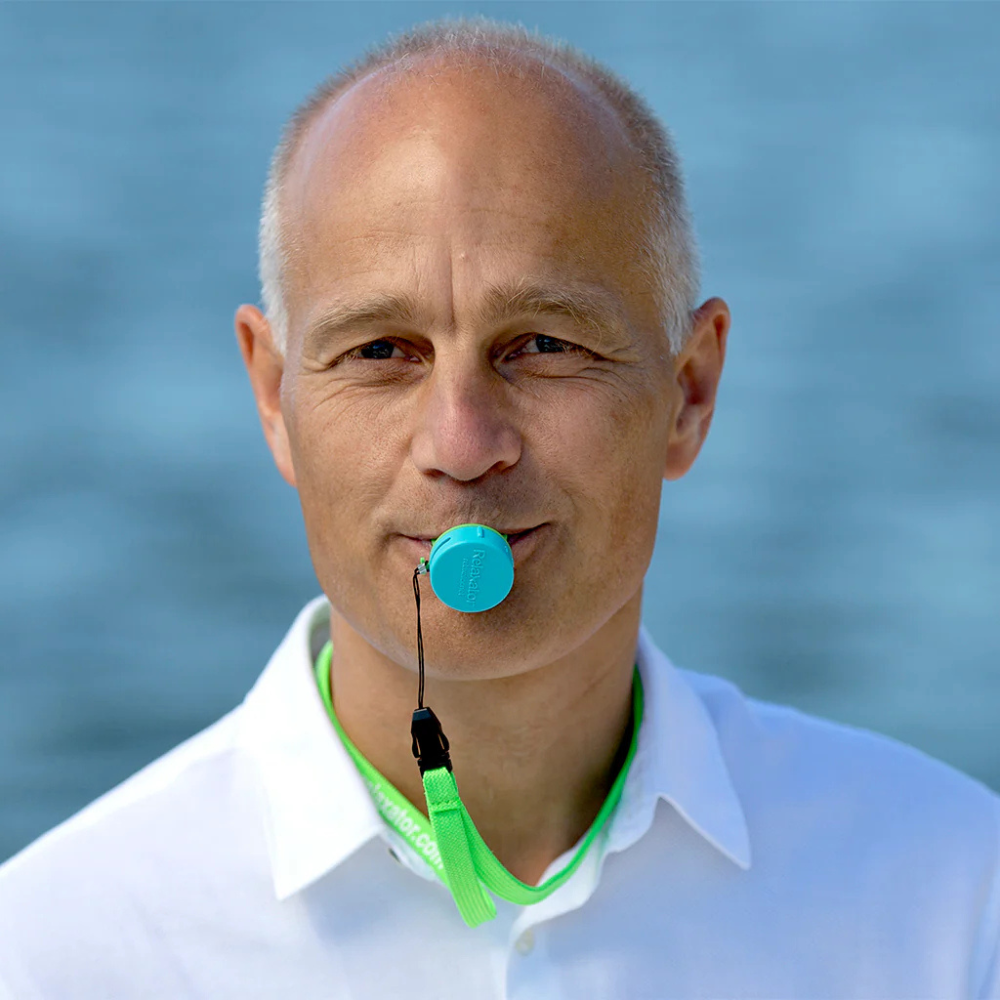
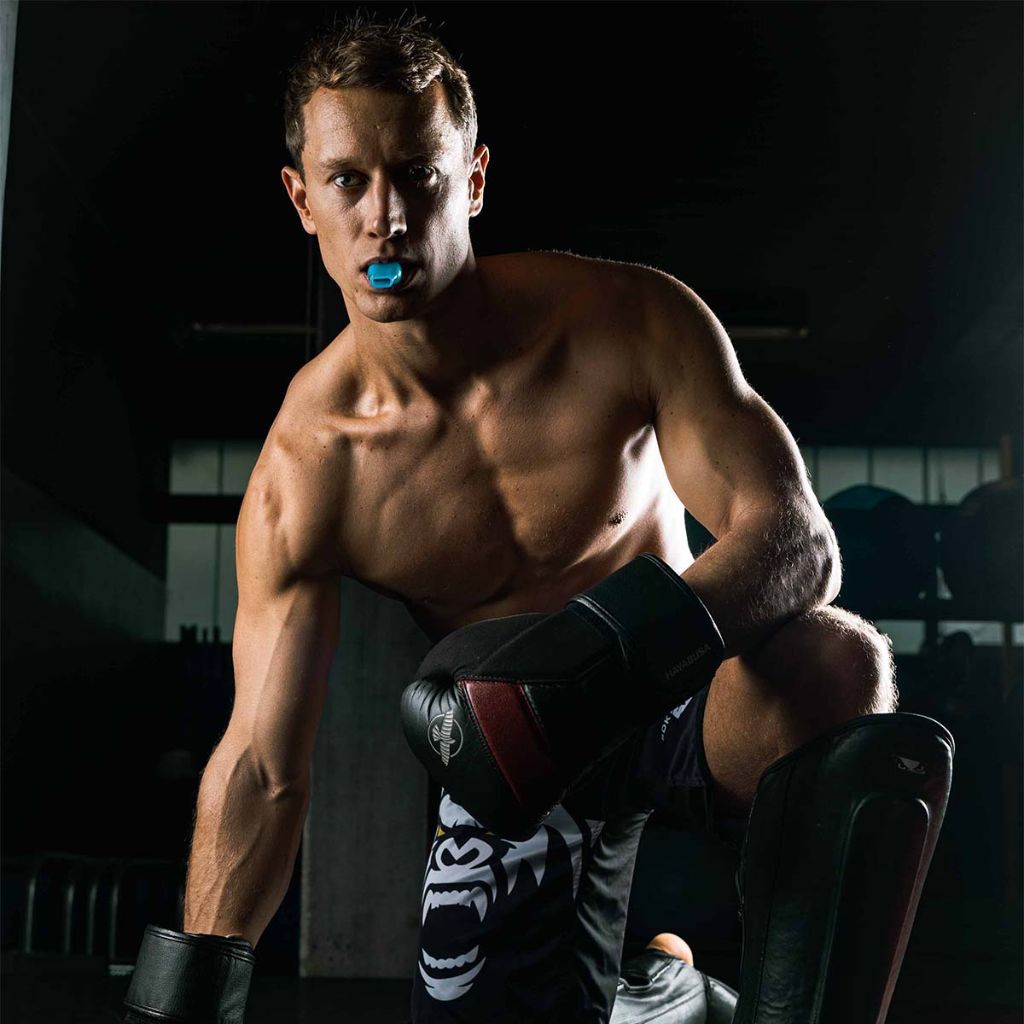
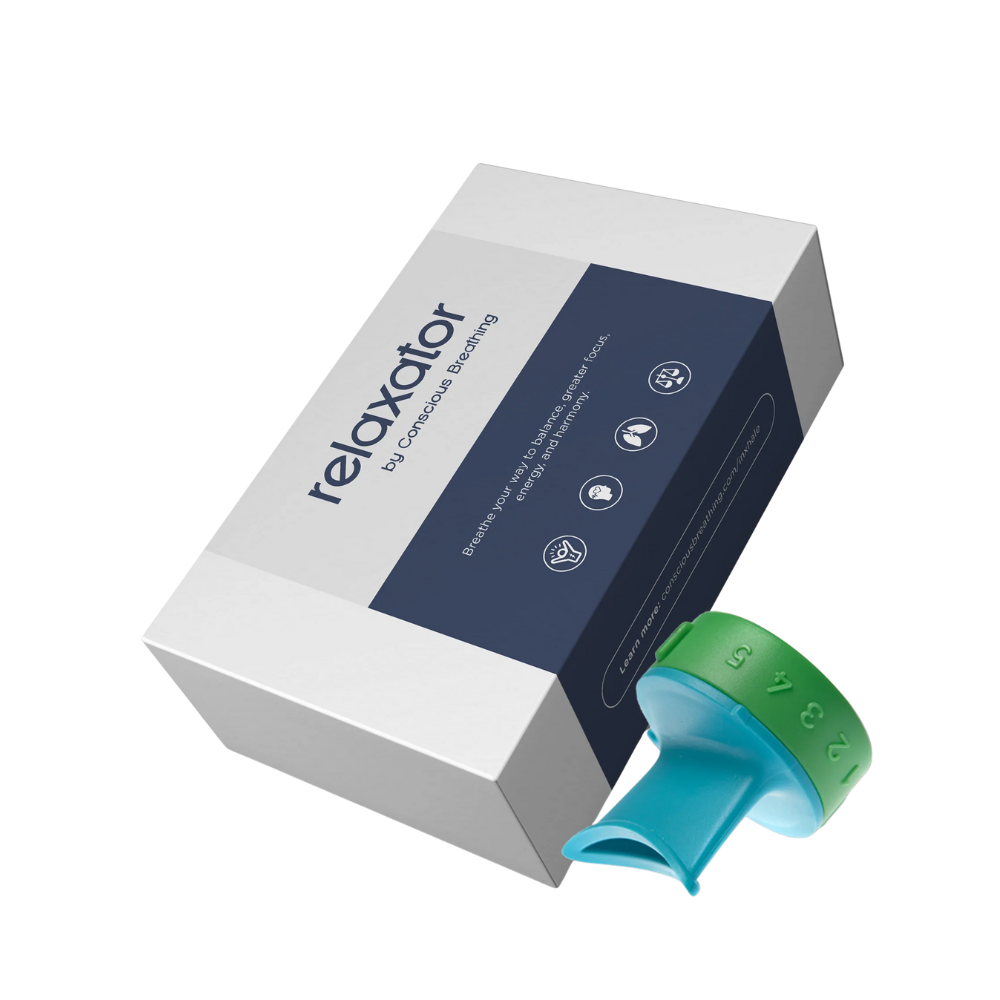
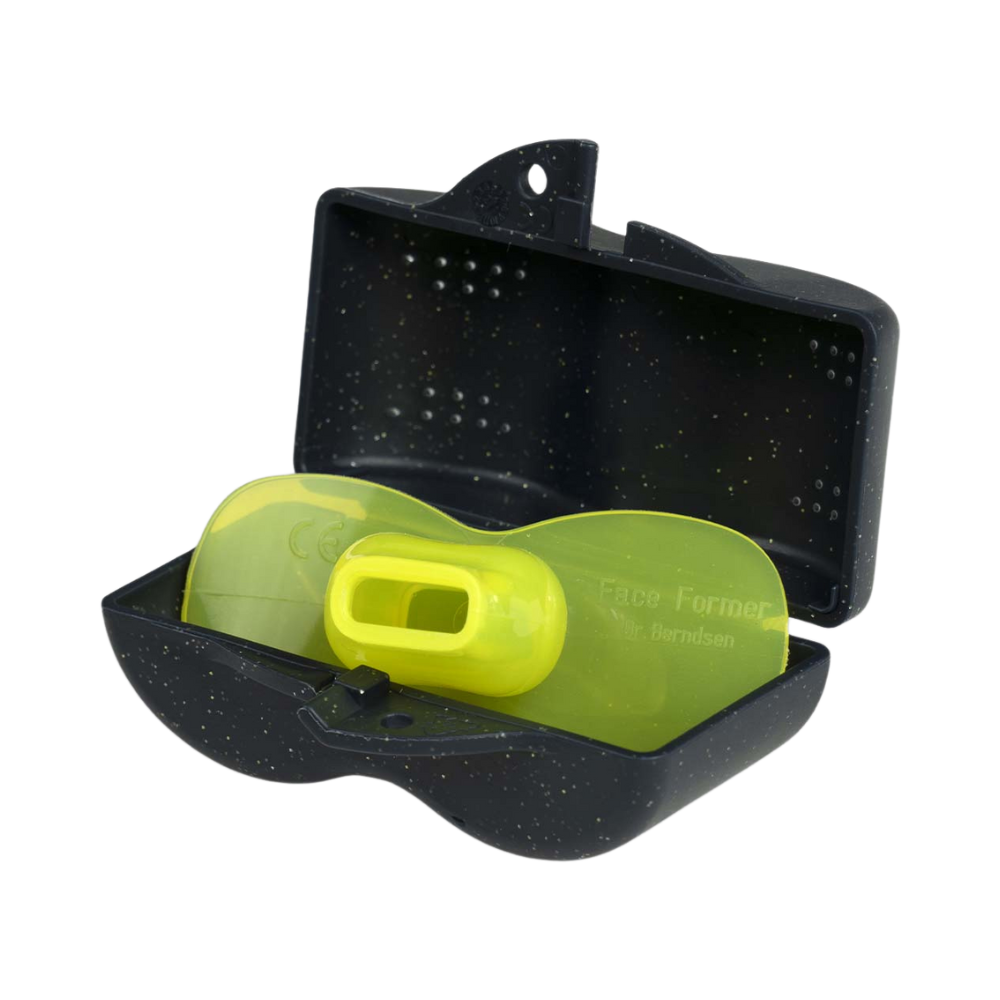
If you want to incorporate CO₂ training into your daily routine, you don’t need a complicated setup. There are various tools that make training easier and help you practice CO₂ adaptation in a targeted way. Depending on whether you’d rather start off gently, improve your breathing rhythm, or train more intensely, different devices will suit you better.
Here’s a brief overview to help you quickly figure out where to start.
If you want to incorporate CO₂ training into your daily routine, you don’t need a complicated setup. There are various tools that make training easier and help you practice CO₂ adaptation in a targeted way. Depending on whether you’d rather start off gently, improve your breathing rhythm, or train more intensely, different devices will suit you better.
Here’s a brief overview to help you quickly figure out where to start.


Calmer, more controlled breathing
: CO₂ training helps you breathe less rapidly and control your breathing rhythm more consciously.
Greater Composure Under Stress
When your body can handle CO₂ more effectively, you’re less sensitive to respiratory stress and challenges.
Improved Body Awareness
: You'll learn to recognize breathing cues earlier and work with them instead of fighting them.
Greater Adaptability in Everyday Life
Regular exercise can help you respond more flexibly to situations that would otherwise quickly become stressful.
Gentle Support for Focus and Mindfulness
Calmer breathing often helps you think more clearly and concentrate better.
Find out which device best suits your goal.
Find out which device best suits your goal.


CO₂ training is simple, safe, and doesn’t take much time. You can do it at home, on the go, or during short breaks. The following steps will show you how to get started.
We’re here for you and are happy to support you on your journey! Give us a call or join a webinar where you can ask your questions.