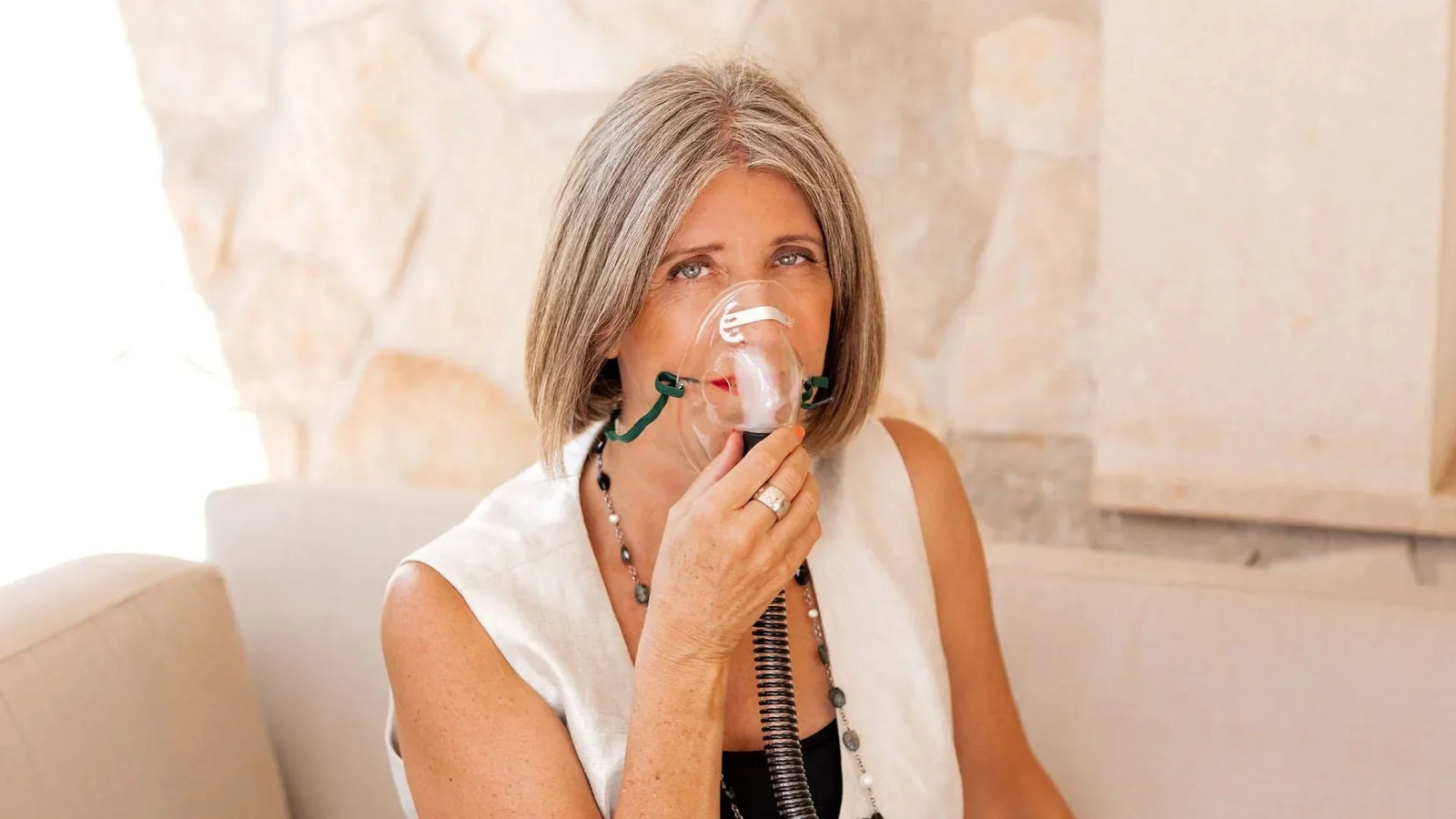


Breathing trainers are available for the respiratory muscles, for exhalation, for loosening secretions, and for CO₂ tolerance. However, anyone who wants to increase endurance, reduce stress, or avoid hyperventilation needs one thing first: their own breathing—the most immediate and, at the same time, the most thoroughly studied tool.

In a world where everyday life is characterized by constant availability, sensory overload, and a tightly packed schedule, our bodies all too often run at full speed. The physical and mental sensation of constant tension is therefore no longer an isolated occurrence. But how can we calm an overstimulated nervous system and build lasting resilience to stress?

Anyone who trains intensively, tries out new movements, or performs unfamiliar eccentric exercises is familiar with the physical sensation that follows in the days afterward: muscle soreness.

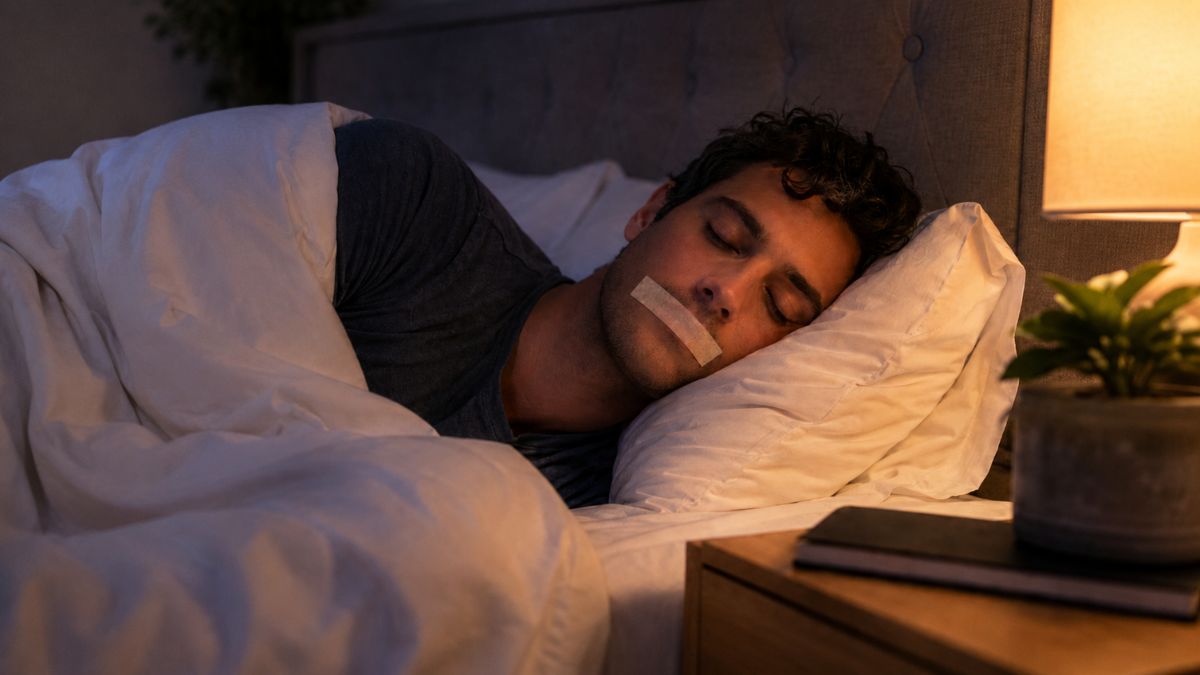
Our nose is a remarkably well-equipped organ. It filters dust and particles from the air we breathe, moistens it, and brings it to body temperature before it reaches the lungs. On top of that, there’s a detail that hardly anyone knows: our sinuses constantly produce nitric oxide, a signaling molecule that travels downward with the inhaled air, where it has vasodilatory and antimicrobial effects. However, when we breathe through our mouths—especially at night—this entire process is bypassed. The air enters cold, dry, and unfiltered.

Maybe you've taken a deep breath before to calm yourself down—completely intuitively, without giving it much thought. But have you ever asked yourself what your body actually needs in that moment?

A gift that really makes a difference—for you and your family. In this episode, Julia explains why CO₂ training not only helps you feel more relaxed and energetic, but can also be a real game-changer for everyday family life. And why the Cardihaler might just be the most meaningful Christmas gift of all.

Most people who come to us complaining of brain fog, sleep problems, or constant fatigue would never think that their problem is related to breathing. After all, they’re breathing. They’re alive. What could possibly be wrong?