

In a world where everyday life is characterized by constant availability, sensory overload, and a tightly packed schedule, our bodies all too often run at full speed. The physical and mental sensation of constant tension is therefore no longer a rare occurrence. But how can we calm an overstimulated nervous system and build long-term stress resilience?
In this article, we’ll explore the biochemical and neurological mechanisms behind how the vagus nerve can be stimulated and what processes this triggers. You’ll learn how the parasympathetic nervous system and respiratory biochemistry are connected, which specific breathing techniques work immediately, and how you can calm your autonomic nervous system and the enteric nervous system—without any medication—using the most thoroughly studied tool of self-regulation: your own breathing.
Targeted Calming of the Nervous System: The Role of the Parasympathetic Nervous System & the Vagus Nerve
Recovery is physiology. And to understand how you can calm your nervous system, it’s worth taking a look at the functional architecture of our autonomic nervous system. This system operates largely autonomously and controls vital processes such as heart rate, digestion, respiratory rate, and metabolism.
The vagus nerve, as the tenth cranial nerve, is the largest and most powerful nerve in the parasympathetic nervous system. It extends from the brainstem through the neck and chest down deep into the abdominal cavity, connecting vital organs such as the heart, lungs, and gastrointestinal tract directly to the brain. Those who learn to stimulate their vagus nerve can, through diaphragmatic breathing, specifically influence the body’s biochemical and neural regulation, thereby activating the body’s natural recovery mode.
The autonomic nervous system is essentially divided into two functional subsystems:
- The sympathetic nervous system: It prepares the body for performance, activity, and defense (“fight-or-flight mode”). Under the influence of the sympathetic nervous system, heart rate and blood pressure temporarily rise, muscles tense, and stress hormones such as cortisol and adrenaline are released.
- The parasympathetic nervous system: It is the body’s “rest and digest” system and is responsible for recovery, regeneration, tissue repair, and digestion.
The vagus nerve acts as the central nerve of the parasympathetic nervous system. It functions like a built-in brake in the cardiovascular system. When the vagus nerve is activated, it releases the neurotransmitter acetylcholine at the nerve endings. This lowers the heart rate, normalizes blood pressure, reduces muscle tension, and gradually shifts the body from stress mode to recovery mode.
Why respiratory biochemistry is crucial for calming your autonomic nervous system
This topic deserves some context, because the sympathetic nervous system isn’t the villain. Without it, you wouldn’t be able to get going in the morning, and you wouldn’t be able to perform well during exercise. Those who want to calm the autonomic nervous system generally aren’t aiming for less drive, but simply for a smoother transition into a state of rest.
However, if you want to calm the autonomic nervous system, you face the practical challenge that neither your heart rate nor your bowel activity can be directly controlled by sheer willpower alone. Breathing, however, provides a unique point of control: although it occurs automatically, it can still be consciously controlled at any time.
Through our breathing pattern, we directly influence the carbon dioxide (CO₂) level in the blood and what is known as respiratory sinus arrhythmia—that is, the completely normal fluctuation of the heart rate in time with breathing. When we inhale, the heart rate accelerates slightly (“sympathetic impulse”); when we exhale, it slows down (“parasympathetic impulse”). A prolonged, calm exhalation signals to the stretch receptors in the alveoli that there is no danger. This signal travels directly to the brain via the vagus nerve.
In addition, the digestive system plays a crucial role. Since, according to the findings of researchers Neuhuber and Berthoud, approximately 80% of the vagus nerve fibers transmit signals from the abdominal organs to the brain—a process referred to as “afferent”— deeper diaphragmatic breathing also helps to calm the enteric nervous system and gently harmonize bowel movements.
Calming an Overstimulated Nervous System: How to Recognize the Condition
Anyone who wants to calm an overstimulated nervous system is familiar with the phenomenon where minor issues seem to take on greater significance, especially during times when you’re supposed to be resting. Either your mind simply won’t settle in the evening, your sleep is constantly interrupted, light and noise bother you more than usual, or your thoughts keep racing in circles.
These various signs are nonspecific and may be related to chronic stress, thyroid issues, iron deficiency, medications, or an anxiety disorder.
Note: If these symptoms persist for more than a few weeks or interfere with your daily life, you should first consult a doctor before trying the breathing exercises described below.
Breathing Exercises for Stress: How to Build Stress Resilience in Your Daily Life
Context is important, because a breathing exercise for stress must be appropriate for the situation. While you’re better off with something discreet during a busy meeting, something distinctly restorative is often more helpful in the evening.
However, to achieve lasting results and build long-term stress resilience, your nervous system doesn’t require hours-long workouts—rather, it needs regular, short bursts of activity spread throughout the day. A targeted breathing exercise for stress can thus be easily integrated into any daily routine. These include box breathing and the 4-7-8 breathing technique—two proven approaches that are also great for beginners.
Box Breathing: How Square Breathing Can Calm the Nervous System
One of the most common and best-documented methods for stimulating the vagus nerve is what’s known as Box Breathing. As a breathing technique with a square pattern consisting of four phases of equal length, it is also known in practice as square breathing or the 4-4-4-4 method. This technique is used, among others, by competitive athletes and first responders to stay focused and calm in acute stress situations.
To perform this exercise, sit upright with your shoulders relaxed and your feet flat on the floor, and:
- Inhale calmly through your nose for 4 seconds without raising your chest,
- Hold your breath gently for 4 seconds,
- Exhale steadily through your nose for 4 seconds, and
- Pause for 4 seconds, then start over; 4–6 rounds are sufficient to begin with.
By consciously pausing after inhaling and exhaling, Box Breathing stabilizes heart rate variability (HRV) and can thus help calm an overstimulated nervous system.
An Overview of Other Breathing Techniques for Calming Down
If you’re looking for another simple breathing technique to help you relax during your downtime or in the evenings, the following approaches are also worth trying:
- Cyclic Sighing (“physiological sigh” or “cyclic sighing”): about 6 breaths per minute for 5 minutes.
In a Stanford University study published in the journal *Cell Reports Medicine*, four groups totaling 108 participants practiced Cyclic Sighing for five minutes daily over the course of a month. This form of vagus nerve stimulation improved mood more significantly and also reduced respiratory rate more markedly than mindfulness meditation.
However, it is important to consider the scientific context: The groups varied in size, there was no long-term follow-up, and no measurable change in sleep was observed in any of the groups.
- Extended Exhalation (4:6 or 4:8): Inhale through the nose for 4 seconds and exhale for 6–8 seconds.
Five minutes of this breathing pattern are sufficient to lower the breathing rate. In addition, this technique can be practiced discreetly anywhere, does not involve holding your breath, and is suitable for beginners.
- Coherent breathing: Inhale and exhale for the same duration at a rate of about six breaths per minute, for five to ten minutes.
This is the method most commonly used in research on heart rate variability. If you’d rather count than memorize patterns, this is the method for you.
A Smart Way to Calm the Nervous System: Exercises with Device Support
For many people, counting the seconds during breathing exercises takes some getting used to at first or can be distracting. True to the principle of “calming the nervous system in a targeted way & making exercises more relaxing with handy tools,” specialized aids can therefore offer noticeable relief, allowing you to find a deep exhalation without mental pressure.
Our support for your breathing routine:
Here at Gruber CO₂ Systems, we also have an elegant tool that takes the counting out of your routines: our Relaxator. This handy little tool features adjustable exhalation resistance to promote a calm exhalation and automatically extends it. To help your breathing rhythm relax, 10–15 minutes 1–2 times a day is sufficient.
Breathing Technique for Relaxation & Preparing for Sleep
For a restful night’s sleep, the rules in the evening are quite different from those during the day. During the transition to nighttime, a breathing technique for relaxation shouldn’t keep you awake by making you count. Therefore, it’s best to practice while lying down, with dimmed lights, and without a screen in front of your eyes. If you enjoy counting, the 4-7-8 breathing technique described below is ideal for this.
The 4-7-8 Breathing Technique: A Classic for Deeper Relaxation
Another highly effective method is the 4-7-8 breathing technique. With this relaxation technique for before bedtime, the main focus is on a significantly extended exhalation phase, which stimulates parasympathetic activity particularly intensely.
Here’s how the rhythm works:
- Breathe quietly through your nose for 4 seconds
- Hold your breath gently for 7 seconds
- Exhale slowly, audibly, and completely for 8 seconds through a slightly open mouth
Important to know:
The long pause and the long exhalation can make you feel dizzy. So practice while sitting, not standing, and stop if you start to feel lightheaded.
Four rounds are the standard starting point. Because the exhalation lasts twice as long as the inhalation, the 4-7-8 breathing technique can help stimulate the vagus nerve.
Our recommendation for nighttime:
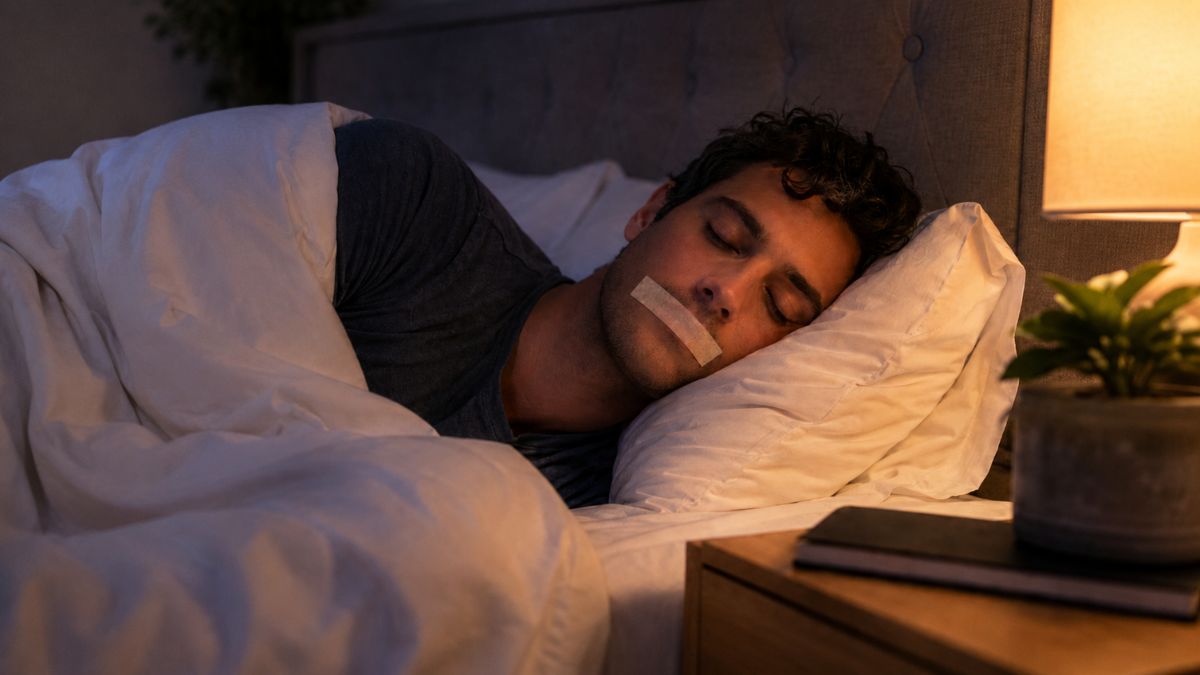
Try our hypoallergenic and breathable SleepTape 90. Our SleepTape—or MouthTape—gently keeps your mouth from opening at night, supporting natural nasal breathing while you sleep. With this convenient pack of 90 SleepTape strips, you’ll be fully equipped for three whole months to solidify your nightly breathing routine.
Recommended reading: Find out how optimized nighttime breathing can not only relieve the nervous system but also reduce snoring and jaw tension in our blog post “Mouth Taping: How It Can Support the Transition to Nasal Breathing & Sleep.”
Building Lasting Stress Resilience: Step by Step with Small Routines
If you want to calm your nervous system and build stress resilience at the same time, you need reliable anchors throughout the day. Five habits in particular make a difference because they transform the day as a whole:
- Regular, moderate endurance exercise several times a week
- Consistent sleep schedules, even on weekends
- Going outside for at least 10–15 minutes in the morning to soak up daylight
- Taking real breaks away from screens
- Spending time with people with whom you don’t have to accomplish anything
However, building stress resilience doesn’t mean becoming insensitive to stress. Rather, it’s about recognizing challenges, recovering more effectively after periods of tension, and taking early action to counteract them. Breathing exercises can be a simple, readily available tool for this.
3 simple tips to help you get started:
- Choose a breathing exercise that feels comfortable for you
- Practice once a day in a neutral situation, not just during a crisis
- Combine the practice with an existing habit, such as after brushing your teeth or before checking your smartphone
Check in after two weeks:
- Is it easier for you to take a break?
- Do you recognize tension sooner?
Take a holistic approach & calm the gut-nervous system
The connection between the gut and the nervous system is also frequently discussed. The vagus nerve connects the brain and the digestive tract in both directions. The gut also contains the enteric nervous system, a distinct network of millions of nerve cells that largely regulates digestion on its own. That’s why tension so often manifests in the stomach, and why, conversely, an upset stomach affects your mood.
If you want to calm the gut-nervous system, a single exercise rarely goes far. What really helps in everyday life are, above all, regular meals, enough fiber and fluids, sleep, exercise, and eating less under time pressure. In cases of recurring abdominal pain, noticeable changes in bowel movements, weight loss, or severe symptoms, the cause should be evaluated by a doctor. A calm breathing routine can help manage general stress, but it is no substitute for a diagnosis or treatment. Discover 7 tips for a healthy gut.
Carbon Dioxide in the Blood: An Overlooked Factor in Vagus Nerve Stimulation
Carbon dioxide, or CO₂ for short, is mistakenly regarded by many as merely a waste product, even though it actually regulates the respiratory drive and influences blood vessel dilation. People who tend to hyperventilate—and therefore breathe too quickly or too deeply over time—significantly lower the carbon dioxide levels in their blood. Typical consequences can include dizziness, tingling in the hands and lips, chest tightness, and the feeling of being unable to breathe deeply.
Recommended reading: For a more detailed explanation of why carbon dioxide in the body is not a waste product but a regulatory factor, see the article “Are You Breathing Wrong? 5 Facts About CO₂.”
However, “capnometry-guided breathing therapy” demonstrates just how important a stable CO₂ level is. The renowned Journal of Consulting and Clinical Psychology published a controlled clinical intervention study, conducted in collaboration with Alicia E. Meuret, in which participants practiced breathing more calmly and shallowly for four weeks while a monitor displayed the CO₂ level in their exhaled air. In cases of panic disorder, the frequency and severity of symptoms decreased to a degree comparable to that achieved with cognitive therapy. For everyday life, this means that the best breathing technique for calming down is not always the deepest one, but the calmest one.
At Gruber CO₂ Systems, this very connection forms the basis of their training principle:
The compact Cardihaler enables controlled breathing training with CO₂ and is designed for users who want to specifically improve their CO₂ tolerance.
Beginners start with short sessions at a low intensity. Anyone who wants to see if the Cardihaler fits into their daily routine can rent it—just like our innovative Cardisuit for holistic relaxation.
Conclusion: Targeted stimulation of the vagus nerve for greater calm and balance in daily life
Those who wish to stimulate the vagus nerve do not need to make extreme changes, but rather, above all, need an understanding of the body’s physiological interrelationships. Breathing is the most powerful tool for consciously initiating the transition into a state of relaxation.
The focus is therefore not on the depth of breathing, but on calmness and the breathing pattern, while at the same time a calmed nervous system requires a holistic perspective—ranging from CO₂ tolerance in the blood to a healthy gut-brain axis.
The specialized products from Gruber CO₂-Systems—such as the “Relaxator,” the “Cardihaler,” or the “SleepTape”—offer you the ideal technical support to reliably guide you on this journey. They relieve the mental pressure of counting and practicing and can help you gently slow down your breathing. After all, a calm exhalation signals immediate safety to your nervous system, and it’s worth integrating new feel-good routines into your daily life, step by step.
You can find more posts on this topic in our blog section.
FAQ: Frequently Asked Questions About Stress Relief & Stimulating the Vagus Nerve
What breathing exercises are there for stress relief?
Among the most effective breathing exercises for stress are box breathing (inhale for 4 seconds, hold for 4 seconds, exhale for 4 seconds, hold for 4 seconds), the 4-7-8 breathing technique with a focused, prolonged exhale, Cyclic Sighing with double inhalation and a long exhalation, as well as simple abdominal or diaphragmatic breathing through the nose.
What reduces stress immediately?
There is no breathing exercise for stress that reliably and immediately eliminates it. In the short term, however, physiological stimuli that directly stimulate the vagus nerve can provide relief. These include 2–3 repetitions of physiological sighing, extending the exhalation to twice the length of the inhalation (e.g., 4 seconds in and 8 seconds out), splashing cold water on the face to trigger the diving reflex, or gently humming while exhaling, since the vocal cords are directly innervated—that is, supplied with nerve fibers—by the vagus nerve.
What are the effects of the 4-7-8 breathing technique?
As a relaxation breathing technique, the 4-7-8 breathing technique noticeably lengthens the exhalation phase compared to the inhalation. Small studies show changes in heart rate and blood pressure, among other things; however, no guaranteed medical effect can be inferred from these findings. The long pauses involved can also cause dizziness and should therefore be practiced while sitting.
What type of breathing calms the nervous system?
Slow, deep diaphragmatic breathing exclusively through the nose—with a reduced breath volume and prolonged exhalation—has the most lasting calming effect on the nervous system. It stabilizes CO₂ levels in the blood and helps to continuously stimulate the vagus nerve.