


Anyone who trains intensively, tries out new movement patterns, or performs unfamiliar eccentric exercises is familiar with the physical symptom that follows in the days afterward: muscle soreness.
For decades, the assumption persisted in sports science and exercise physiology that an excessive buildup of lactate (lactic acid) was the sole cause of the characteristic burning sensation and muscle stiffness. Modern sports physiology has significantly refined this understanding.
Therefore, in this article, we will systematically examine the physiological processes involved in post-exercise recovery. We’ll analyze why the interplay of capillary blood flow, respiratory biochemistry, and activation of the parasympathetic nervous system is crucial for sustainably supporting muscle recovery, avoiding overtraining, and gradually rebuilding physical performance.
Muscle Soreness: What to Do When the Pain Hits on the Second Day?
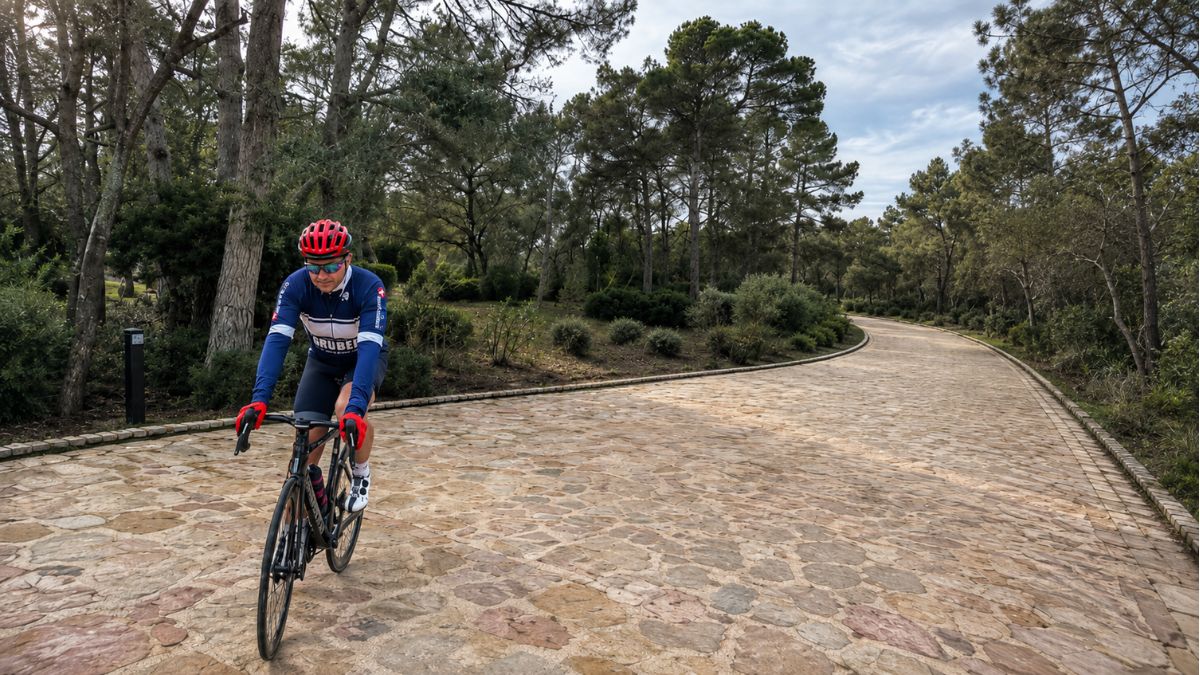
When faced with these typical symptoms, the question arises: “What can you do about muscle soreness—especially when your legs or back hurt?” So here’s the short answer first: Stay active, lower the intensity, get restful sleep, and eat and drink enough. Complete rest is rarely the best choice, but continuing to train hard isn’t either. Light exercise promotes blood flow at the capillary level in the affected tissue without causing further strain. A proven approach is 20–40 minutes of activity at a level where you can easily carry on a relaxed conversation: gentle cycling, light swimming, or a brisk walk.
To be honest, it’s important to note that the short-term relief provided by targeted recovery through exercise is well documented, as the muscle feels better during and shortly after the activity. However, there is significantly less evidence that this leads to measurably faster tissue repair. So while exercise doesn’t reliably shorten the duration of muscle soreness, it does make the days that follow more comfortable.
To understand why this is the case, it’s worth taking a look at what muscle soreness actually is:
The technical term is DOMS, which stands for Delayed Onset Muscle Soreness.
It is precisely this delay that is characteristic:
The first signs usually appear 12–24 hours after exercise; the pain is typically at its peak after 24–72 hours, after which it subsides and usually disappears within 5–7 days.
The pain is therefore caused by minute structural changes in the muscle fibers, particularly at the Z-discs—the attachment points within the contractile units. The body responds with a local inflammatory reaction, resulting in mild swelling; signaling molecules are released, and the pain receptors in the connective tissue surrounding the fibers become more sensitive. This sensitization explains why pressure and stretching feel uncomfortable, while the muscle causes little discomfort at rest.
Why Eccentric Exercise Causes Muscle Soreness
Muscle soreness is most pronounced during eccentric movements. “Eccentric” means that the muscle is working against resistance while it lengthens.
Typical examples of this include
- the controlled lowering of a dumbbell,
- running downhill,
- landing after a jump, or
- slowing down when changing direction.
During this phase, high mechanical stresses act on a relatively small number of active muscle fibers, which greatly increases the load per fiber.
That’s why unfamiliar movement patterns—such as the first hike of the season with long descents, a new strength training routine, switching sports, or even returning to exercise after a break—almost always result in muscle soreness.
What Muscle Soreness Tells You About Your Workout—and What It Doesn’t
Severe muscle soreness is not an indicator of a high-quality training session. It primarily indicates that the workload was unfamiliar. Experienced athletes often experience little muscle soreness yet still make significant training progress.
The body learns quickly. After the first unfamiliar session, muscle soreness is significantly less pronounced during a comparable workout. This protective effect is known as the Repeated Bout Effect and lasts from several weeks to several months, depending on the intensity of the workout. Anyone introducing a new type of exercise should therefore deliberately keep the intensity of the first session lower than it feels on that day.
The Underestimated Lever: Activating the Parasympathetic Nervous System
The most important factor after exercise is autonomic recovery. For cellular repair to take place at all, the body needs more than just time. It needs a state in which recovery takes precedence over performance. This is exactly where the autonomic nervous system comes into play, which is why this topic is so important.
The autonomic nervous system fundamentally distinguishes between two states:
- The sympathetic nervous system prepares the body for performance. Heart rate and respiratory rate increase, blood flow to the muscles increases, and processes such as digestion and repair are put on hold.
- The parasympathetic nervous system is its counterpart and is responsible for recovery, digestion, and regeneration. Tissue-specific regeneration occurs primarily in the parasympathetic state.
The problem in today’s daily life is that training is often followed by screen time, back-to-back appointments, or constant sensory overload. As a result, the body remains in a state of heightened arousal even though the physical exertion is long over. Anyone who wants to activate the parasympathetic nervous system should therefore take special care to protect this transition phase.
What Happens in the Body When the Parasympathetic Nervous System Is Activated
When the parasympathetic nervous system is activated, the body specifically shifts into a state of recovery and tissue repair. The parasympathetic nervous system is the part of the autonomic nervous system that helps regulate functions such as heart rate, breathing, digestion, and energy supply during rest periods. The vagus nerve, as the central nerve governing parasympathetic activity, plays a particularly important role for the heart, lungs, and many organs in the abdominal cavity. As parasympathetic influence increases, the heart rate often decreases at rest, breathing becomes calmer, and the body can more easily transition into a state of recovery.
This is primarily relevant—albeit indirectly—for recovery after sports or training sessions:
Good recovery is supported by sufficient sleep, an adequate intake of energy and protein, sensible training breaks, and an overall low stress level. The parasympathetic nervous system is not a direct “repair switch” for muscle tissue, but rather part of a system that creates favorable conditions for recovery and internal balance.
One possible indicator of progress is heart rate variability, or HRV for short. It describes the temporal fluctuations between individual heartbeats and is often used as an indicator of autonomic regulation under comparable measurement conditions. However, individual readings are susceptible to interference from factors such as sleep quality, alcohol, infections, the menstrual cycle, exercise intensity, or the time of measurement. It therefore makes more sense to compare them with your personal trend over several weeks. Slow, calm breathing can temporarily increase HRV because breathing and heart rhythm are closely linked.
Important to know:
A higher HRV during or immediately after a breathing exercise is not, however, proof that the muscles are recovering faster or that the training load has already been fully processed.
Activating the Parasympathetic Nervous System: Exercises That Fit Into Your Daily Routine
You can actively support recovery by activating your parasympathetic nervous system through exercises that can be easily integrated into your day. What matters isn’t the duration, but the regularity.
Here are four exercises that require no prior experience and take very little time:
- Extended Exhalation:
- Inhale through your nose for 4 seconds,
- exhale for 6–8 seconds.
- Lower your breathing rate:
- about six breaths per minute for five minutes
- Consistent nasal breathing: Breathe exclusively through your nose in everyday life and during light workouts. This automatically caps your breathing rate.
Tip: You can also learn more about how to improve your nasal breathing in our blog post “Mouth Taping: How It Can Support the Transition to Nasal Breathing & Sleep.”
- Conscious cool-down phase: After your workout, sit or lie quietly for 5–10 minutes before your phone and schedule take over again.
Our Support in Everyday Life:
To perform breathing exercises effectively, a tool can make getting started easier because you don’t have to count the rhythm yourself. Our Relaxator uses adjustable exhalation resistance, which automatically lengthens your exhalation.
5–10 minutes, 1–2 times a day, is sufficient to establish a calm breathing pattern.
Strategically Managing Recovery Time in Sports
Success doesn’t come from the training itself, but from the phases in between. A well-thought-out training plan therefore ideally always includes recovery time tailored to your needs. How long a muscle needs to fully recover depends on age, fitness level, sleep quality, and the supply of micro- and macronutrients. By specifically influencing tissue blood flow and the autonomic nervous system, this recovery period can be naturally supported and stabilized, allowing training stimuli to be applied at shorter intervals without overtaxing the tissues.
In general, the required recovery time always varies from person to person. Nevertheless, the following values provide guidelines for healthy adults who exercise regularly and are by no means intended as rigid rules:
- Light endurance training: about 12–24 hours
- Intense interval training: about 24–48 hours
- Heavy strength training of the same muscle group: about 48–72 hours
- Unfamiliar eccentric stress, such as long descents while hiking: up to 96 hours
Active recovery in sports means not spending your rest days on the couch, but engaging in light, very low-intensity movement. Those who better prepare their muscles for future exertion through an appropriate recovery period can train with greater quality in the following week, rather than losing strength session by session.
Practical Tip: Listen to Your Body
What matters isn’t the number, but how your body responds. A slight tightness on the third day is no cause for concern. If, on the other hand, the same muscle group is still significantly sore after 72 hours, the workload was too high or the recovery period too short.
You can still train during this time, just with different muscle groups or at a lower intensity.
How to Avoid Overtraining
Muscle soreness after an unfamiliar workout is normal. A state of persistent exhaustion is not. Overtraining isn’t caused by a single hard workout, but by an imbalance between exertion and recovery over the course of weeks. If the body isn’t given enough time to adapt between training sessions, there’s a risk of overtraining. To avoid overtraining, you must maintain a balance between the sympathetic and parasympathetic nervous systems.
Typical warning signs of a lack of autonomic recovery include:
- Stagnation or decline in athletic performance
- The morning resting heart rate remains consistently above the usual level
- Sleep quality worsens, even though fatigue increases
- Muscle soreness sets in more quickly and lasts longer than before
- Motivation and mood decline, and infections become more frequent
To avoid overtraining, you should therefore plan your recovery just as carefully as your actual training sessions.
The following measures have proven effective in practice:
- 1–2 completely rest days per week,
- a recovery week every 3–4 weeks with a reduced training volume, and
- a general check on sleep duration and resting heart rate.
If you experience a persistent decline in performance, sleep disturbances, or unusual fatigue, you should consult a doctor to assess the situation.
Accelerating lactate removal: Useful, but not for muscle soreness
One topic almost always comes up when discussing recovery: lactate. In fact, it is not the cause of the pain, which typically doesn’t set in until hours after an unfamiliar or particularly intense workout. After training, lactate levels usually drop again within a relatively short time. This has no reliable benefit for muscle soreness the next day or the day after.
Active recovery after high-intensity exercise, on the other hand, can accelerate lactate removal. If you continue to run, cycle, or swim at a relaxed pace for a few minutes after sprints, hard intervals, or a competition, you’ll generally break down lactate faster than if you were to sit or lie down completely. The muscles continue to use lactate as fuel during this time, but the heart and liver also play a role in its breakdown and utilization.
This is particularly relevant during multiple intense sessions with short breaks, such as between race heats, games, or interval sets. For most recreational athletes, a relaxed cool-down is sufficient as long as it feels comfortable. It is not mandatory, nor is it a method that reliably reduces muscle soreness or shortens long-term recovery.
Instead of “chasing” lactate levels, the fundamentals are more important. These include, among other things, drinking enough fluids—especially to replenish fluids and, if necessary, electrolytes after heavy sweating—and adjusting energy and carbohydrate intake to the duration and intensity of the exertion. Rapidly replenishing glycogen stores is particularly important if another demanding workout is scheduled within a few hours or the following day.
The Lactate Myth & Why Acidosis Isn’t the Cause
The notion that muscle soreness is caused by lactic acid or muscle acidification persists. However, this idea has long been scientifically debunked. The simplest counterevidence is the timing, since lactate is produced during intense exercise and is broken down again within about 30–60 minutes after the workout ends.
Sore muscles, on the other hand, typically don’t begin until many hours later and usually don’t peak until the second day. A substance that has long since been broken down cannot, therefore, cause pain that arises only afterward.
There is also a second point to consider: lactate is not a waste product, but rather an energy source that—as mentioned earlier—is reused by the heart, liver, and other muscle fibers. And, ironically, workouts that produce very high levels of lactate—such as intense interval training on a bike—often result in little muscle soreness. Conversely, walking slowly downhill produces hardly any lactate but causes significant muscle soreness. Muscle recovery therefore does not begin with acidosis, but rather with repair, blood flow, and rest.
Blood Flow & CO₂: What Research Shows
Targeted promotion of blood flow accelerates muscular recovery. This is because blood flow is the pathway for regeneration. Through it, oxygen and nutrients reach the stressed tissue, and metabolic waste products are removed more effectively. Carbon dioxide plays a role in this process that is often overlooked in everyday life: CO₂ dilates the peripheral blood vessels in the skin and muscles, thereby promoting blood flow.
This has been demonstrated, among other things, by measurements of cutaneous blood flow. In a study of healthy men, cutaneous blood flow in the submerged area was significantly higher during a CO₂-enriched bath than in a freshwater bath, and the participants also described a sensation of warmth.
Scientific evidence from sports physiology:
In a sports context, Akamine and Taguchi studied an artificially carbonated bath at 36 °C with 300 ppm CO₂ for 20 minutes, used as a warm-up before swimming and compared to a freshwater bath.
During the recovery phase after swimming, the changes in blood lactate and heart rate following the CO₂ bath were significantly lower. Electromyographic measurements of the rectus femoris muscle also indicated more efficient muscle activity.
It is important to properly contextualize this study, and we are doing so openly here, as the study examined a CO₂ bath as a warm-up before exercise, not as a measure against muscle soreness.
An Overview of Our CO₂ Applications
Anyone who would like to try this approach for themselves has two options at Gruber CO₂-Systems. With our Cardisuit CO₂ dry bath, the body is surrounded by carbon dioxide while lying down, which is absorbed through the skin. A session lasts about 30–50 minutes and is described by users as warm and relaxing.
Our CardiHaler, on the other hand, focuses on breathing and controlled enrichment of the inhaled air with CO₂, starting with 1–2 minutes at a low setting.
Recovery After Exercise: What Matters in the First 72 Hours
Recovery begins in the mind and continues throughout the entire body. Once the nervous system is in recovery mode, the rest depends on three factors: blood flow to the tissues, available nutrients, and the regulation of future physical stress. The following recommendations will show you what really matters now and how you can actively support this process.
How Muscle Recovery Works at the Tissue and Capillary Levels
No performance improvement occurs without adaptation, because the term “muscle recovery” describes the recovery and adaptation processes that take place after physical exertion. Immediately after training, circulation and metabolism gradually return to normal. The body compensates for fluid loss, restores electrolyte balance, and—depending on the type, duration, and intensity of the exertion—also replenishes depleted energy reserves.
In the hours and days that follow, the muscles continuously process the training stimulus. Among other things, muscle protein synthesis changes measurably during this process. In addition, cellular energy metabolism, motor control, and the resilience of the tendon and muscle systems adapt. In the case of more intense exercise or actual tissue damage, immune cells and satellite cells—that is, specialized muscle stem cells—are also involved in the respective repair and remodeling processes.
When muscles regenerate, therefore, it is not solely a matter of “repairing” muscle fibers. Rather, the interplay of sufficiently high but appropriately dosed exercise, recovery time, sleep, and an energy and protein intake that meets the body’s needs is crucial for complete recovery. Good blood circulation, in particular, supports tissue nourishment; however, on its own, it is only one part of the overall regeneration process.
Why Restful Sleep Promotes Muscle Recovery
Sleep is the most important component for the physical regeneration of muscles and tissue repair. No other recovery method comes close to the effects of restful sleep. This is because restorative processes occur particularly intensively during deep sleep phases, growth hormone is released in greater quantities, and the nervous system recovers.
Breathing during the night also plays a role. People who breathe through their mouths while sleeping tend to breathe faster and more shallowly, which makes sleep more restless. Nasal breathing filters, moistens, and warms the air and is accompanied by a calmer breathing rhythm.
Our simple aid for the night:
Our sleep patch gently keeps the mouth closed at night and supports this very habit.
Conclusion: Muscles recover through the right balance of stimulation and recovery
Muscle soreness is not a setback or proof of a good workout. It indicates that the exertion was unfamiliar, and it goes away on its own. What you can influence are the conditions under which your body recovers in the days that follow. Immediately after your workout, 10–20 minutes of light stretching or walking is sufficient, followed by five minutes of calm breathing with extended exhalations. Within the first two hours, be sure to eat a meal containing protein and carbohydrates, along with plenty of fluids.
In the evening, even seemingly mundane habits—such as reducing screen time, sticking to a set bedtime, and being mindful of your own nasal breathing—help signal to your body that it needs rest. On days one and two, light exercise is preferable to complete rest—at a reduced intensity and with a focus on blood circulation. Starting on day three, you can gradually increase the intensity again, provided the pain has subsided significantly.
If you’d like to further support this process, feel free to use our products from Gruber CO₂-Systems specifically on the two areas that are hardest to control in everyday life: blood flow to the strained tissue and breathing that takes the body out of performance mode. Neither of these things replaces sleep or patience, but both make the days after your workout more comfortable. Your body recovers anyway—you just decide how well.
You can find more posts on this topic in our blog section on Recovery & Sports.
FAQ: Common Questions About Sore Muscles & Recovery
What stimulates the parasympathetic nervous system?
The parasympathetic nervous system is primarily activated by slow breathing with prolonged exhalation, consistent nasal breathing, calm, low-intensity movement, and sufficient sleep. A breathing rhythm of about four seconds of inhalation and 6–8 seconds of exhalation over five minutes is already effective. Warmth, rest periods away from screens, and regular meals also support the transition into a state of recovery.
What stimulates recovery?
Recovery is stimulated by good blood circulation, available nutrients, and a calm nervous system. Light activity the day after exercise, a protein-rich meal within the first few hours, adequate hydration, and intentional rest periods can all contribute to this. However, it’s not possible to speed up the process beyond the body’s natural pace; it makes sense to avoid factors that hinder recovery, such as lack of sleep and chronic stress.
What promotes recovery after exercise?
Among the most effective measures for good recovery after exercise are 7–9 hours of sleep, an adequate intake of protein, carbohydrates, and fluids, and light exercise rather than complete rest. In addition, anything that promotes blood flow to the stressed tissues and facilitates the shift to the parasympathetic nervous system—such as heat therapy and gentle breathing exercises—is helpful.
How does the body recover the fastest?
Biologically speaking, the process of tissue repair cannot be arbitrarily shortened, as inflammatory and remodeling processes follow fixed physiological timelines. However, recovery time can be optimized by avoiding disruptive factors and ensuring that sleep, nutrition, and exercise management are well-aligned. This includes avoiding alcohol and chronic stress, promoting tissue blood flow, getting sufficient and regular sleep, consuming protein and carbohydrates after exercise, engaging in light exercise the following day, and avoiding overexertion during the healing phase.